Files and messages no longer support the process
We centralize states, tasks, approvals and history in a controlled workflow.
Web application development
We build browser-based applications for teams, clients and partners, from compact operational tools to authenticated products with integrations and reporting.
Use cases
We clearly separate public website content from authenticated operations, application data and business rules.
We centralize states, tasks, approvals and history in a controlled workflow.
We define permissions, validation and ownership without uncontrolled copies.
We build APIs and synchronization with explicit error handling and traceability.
We turn the workflow into a measurable web product with onboarding and administration.
What we build
Technologies are selected for requirements, integration and maintenance rather than fashion.
Delivery process
Stages are adapted to product maturity, risk and objectives without adding unnecessary complexity.
We observe the current workflow, roles, data, volumes and exceptions that create cost or risk.
We define experience, data domain, architecture and an MVP with measurable outcomes.
We build usable increments and demonstrate frequently with representative data and scenarios.
We test security, performance and real operations, then monitor production behavior.
Public product
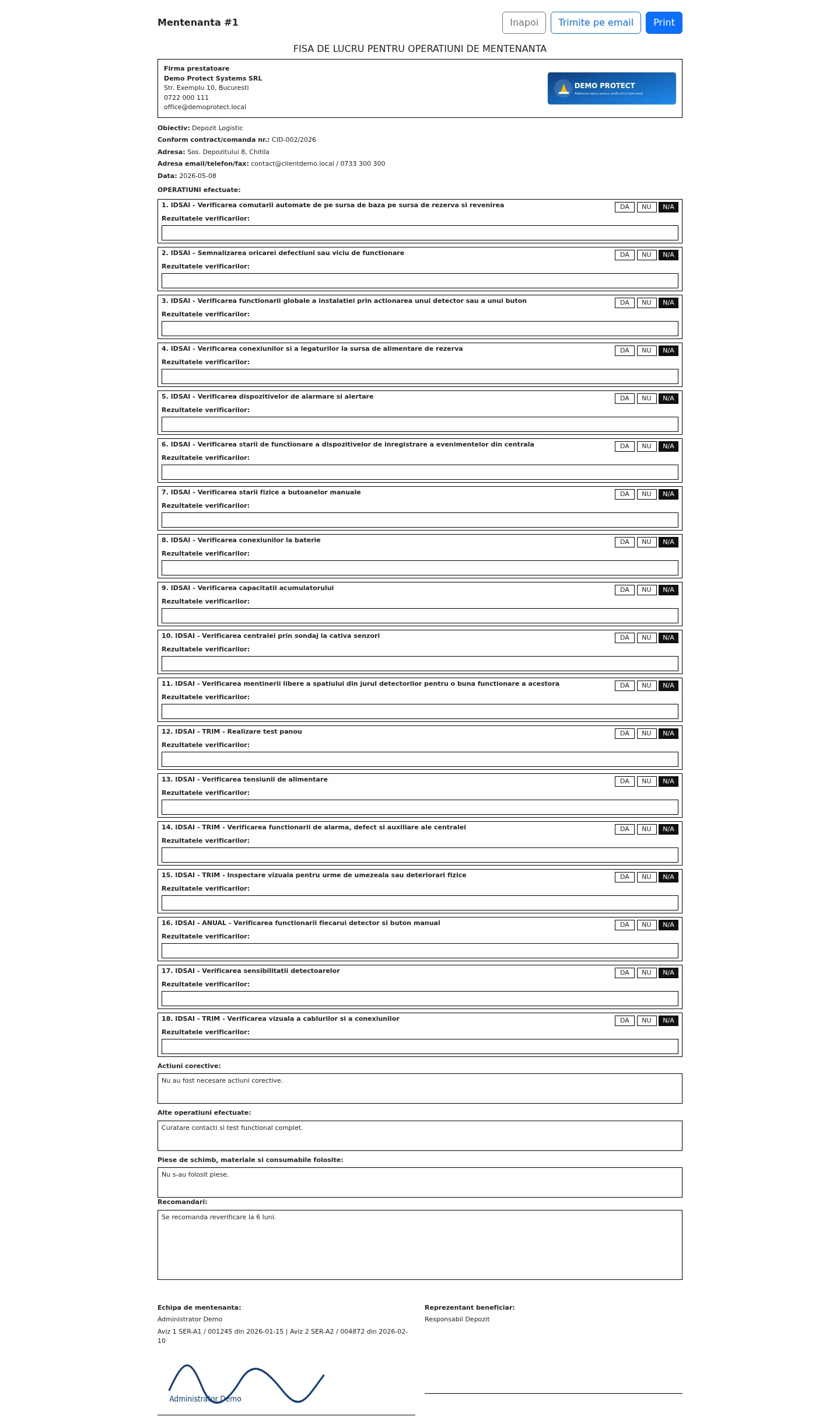
A concrete workflow with users, locations, photographs, signatures, generated PDF documents and operational history.
FAQ
A website primarily presents public information. A web application manages accounts, data, states, rules and actions, so discovery and testing are more extensive.
Yes. We define the smallest version that validates the workflow and major risks without treating an unmaintainable prototype as an MVP.
We choose the stack according to product, integration, maintenance skills and deployment requirements. The technical proposal is explained before implementation.
We apply access control, validation, secret management, logging, updates and testing proportional to the application's data and risk.
Yes. We begin with a code, infrastructure, data and dependency audit, then choose between remediation, refactoring and gradual rebuilding.
Continue your evaluation